_edited.png)
Red Flags and Lessons Learned
- Forest City Rats
- Mar 16
- 4 min read

Heartbreak: Lessons From a Difficult Rat Placement
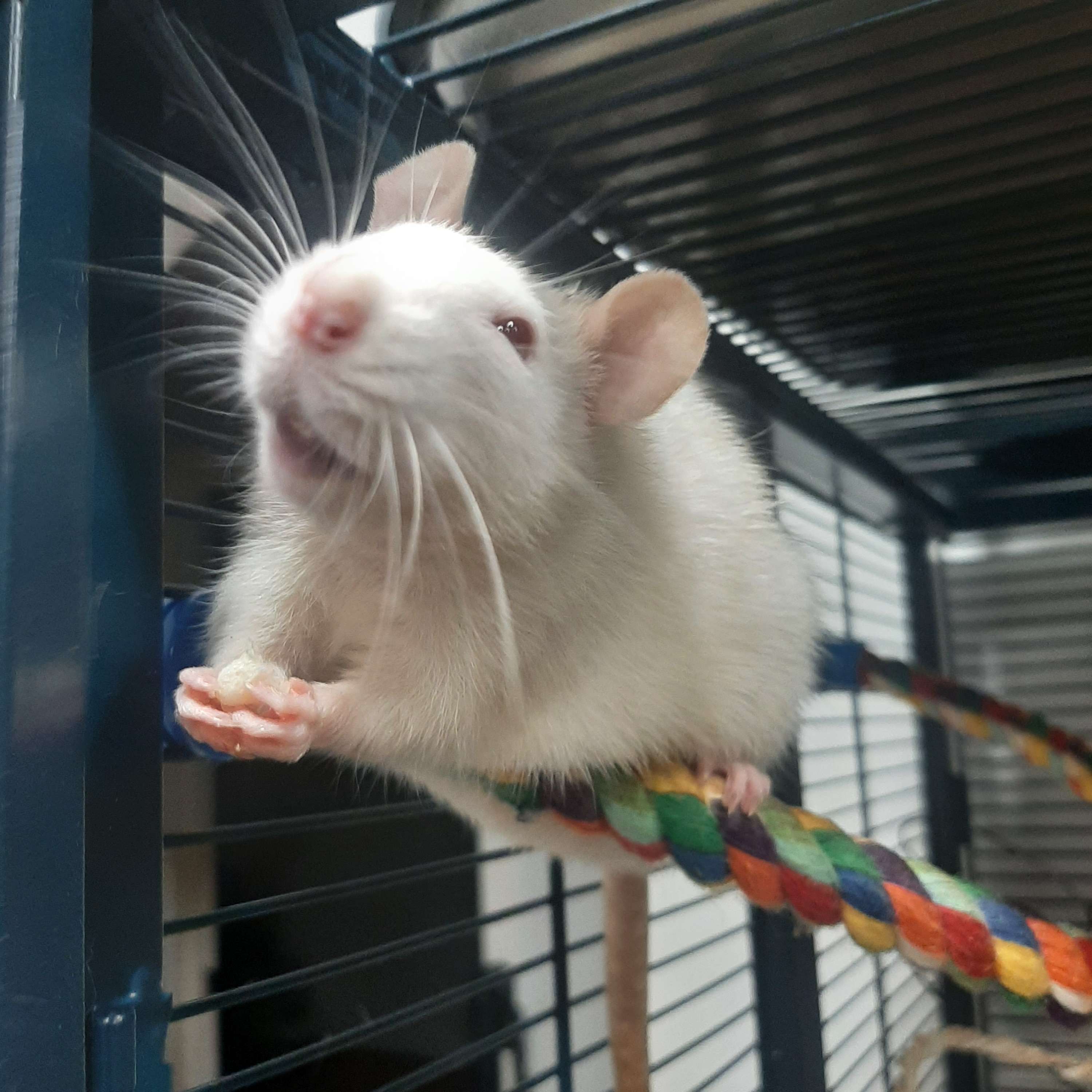
At the end of 2025, I experienced something I’ve never encountered in over 100 rat placements: the sudden loss of two young, healthy female rats shortly after they left my care. Three female rats were placed in their new home on November 5 at 12 full weeks and 1 day old. They were healthy, social, and used to being handled; there are photos and videos showing how friendly they were on my Instagram page.
Before sharing more, I want to be clear: my goal here isn’t to blast or publicly shame anyone. I’m sharing this situation because it has been weighing heavily on me, and I feel it’s important to explain and defend the care and standards of my rattery. This isn’t about calling anyone out. It’s about reflecting on red flags, lessons learned, and the realities of responsible rat ownership.
For the record, following this situation, I reached out and have heard back from every single buyer who purchased rats from this particular litter, and everyone is doing healthy/well and thriving in their new homes. A couple of buyers have even added additional rats from FCR to their mischief!
The Story
On December 8, just over a month after placement, the buyer reported that the first female rat had tragically passed "a couple days ago", but there was no way to know exactly when she had died. During this conversation with the buyer, they reported that a second female had also just been found dead. Then, they thought all three were dead, but clarified that it was two after all, with 1 remaining living rat.
The buyer's uncertainty and inconsistent awareness about the deaths highlighted that the rats may have gone unmonitored for a significant period. The odds of two young rats dying simultaneously are extremely low. I offered condolences and reassurance, and even offered a gift card for a replacement female from an upcoming litter, hoping to provide comfort.
From the start, this situation triggered a visceral, almost instinctual reaction in me. My emotional energy was immediately drawn into trying to support them, understand what had happened, and ensure the remaining rat was safe. I spent hours rereading messages, tracking timelines, interpreting incomplete details about care and environment, and offering guidance, all while wondering if my involvement was actually helping.
My partner noticed I was investing an extraordinary amount of time and emotion into this exchange, and eventually, I had to step back to protect my own well-being.
Communication was challenging throughout. The buyer shared emotional reactions, “what-if” spirals, and tragedy framing, but when asked concrete questions, their answers became vague, delayed, or fragmented. Basic husbandry questions shouldn’t be hard to answer. I wasn’t asking invasive questions. Yet the answers were inconsistent, incomplete, or nonexistent. Several red flags became apparent and made me feel both sad and uneasy.
Red Flags
Repeated speculation about causes without evidence – They frequently referenced cancer in female rats, despite the rats being only 12 full weeks old, making such a rapid onset extremely unlikely.
Multiple rapid cage and environmental changes during a critical time – New cages, bedding, and toys were introduced all at once.
Housed in a walk-in closet – The cage was in a small walk-in closet, partially closed to keep cats out, raising questions about airflow and ventilation, despite reassurances from the buyer and a statement that they would share photos (they never did).
Questions about daylight – They asked whether the rats needed daylight.
Delay in consulting a veterinarian – They repeatedly mentioned advice from their partner and brother with "experience", but professional veterinary guidance was avoided. They framed their "exotic vet" as a backup.
Secondhand cage items not properly disinfected – Some items were previously used by other rats and only superficially cleaned.
Inconsistent observation of the rats – The remaining rat was often left unmonitored, with uncertain access to food and water. Guidance on checking health signs and behaviour was inconsistently applied.
Low confidence in handling the rats – The buyer admitted they don't handle the rats often, struggling to pick up or assess the rats safely.
Conflicting information about care and environment – Statements about husbandry, cage setup, and rat supervision shifted over time. Potential environmental hazards were being overlooked.
Revealing additional rats in the household – The buyer shared they also had (or have, I'm not sure at this point TBH) several male rats, ranging from very old (almost 4 years 🤔) to younger (~2 years), housed separately in a basement cage. Their account of male rat ages, deaths, and handling changed throughout the conversation.
Concrns about access to food & water - I'm sharing direct quotes below, because this is where my heart sank.
I don’t know if she’s even reaching the water bowl sometimes. I’ve been giving her some scrambled eggs and treats to make sure she’s eating, but I wasn’t sure if she was able to get to her water or food normally.
I barely saw her eat and she never touched the forage bowl and I don’t even know if she was able to go high enough to drink from the water bowl instead of the bottles
Lessons Learned
Trust but verify – Emotional intensity or claimed experience isn’t a substitute for consistent, concrete care.
Basic husbandry must be clear – Questions about cage setup, access to food/water, monitoring, and handling should always get straightforward answers.
Boundaries are essential – Over-involvement is stressful and not ultimately helpful.
Environmental factors are critical – Even healthy, young rats can be at risk if their housing or monitoring is inadequate. Access to water, safe cage items, airflow, and daily handling matter immensely.
Red flags matter – Inconsistencies, vague answers, and conflicting claims about experience are warning signs that further placements could be risky.
Emotional labour has limits - It’s okay to step back.
Not everyone is meant to be an FCR client - It's okay to cut ties and move on.
An Application - Would It Have Made A Difference?
I’ve been reflecting a lot on whether a formal adoption application or screening process could have prevented this situation. The short answer is no.
Even with careful applications, references, and questions, there are limits to what anyone can know about a home, the level of monitoring, or the unforeseen circumstances that might arise after placement.


Comments